
26. Military
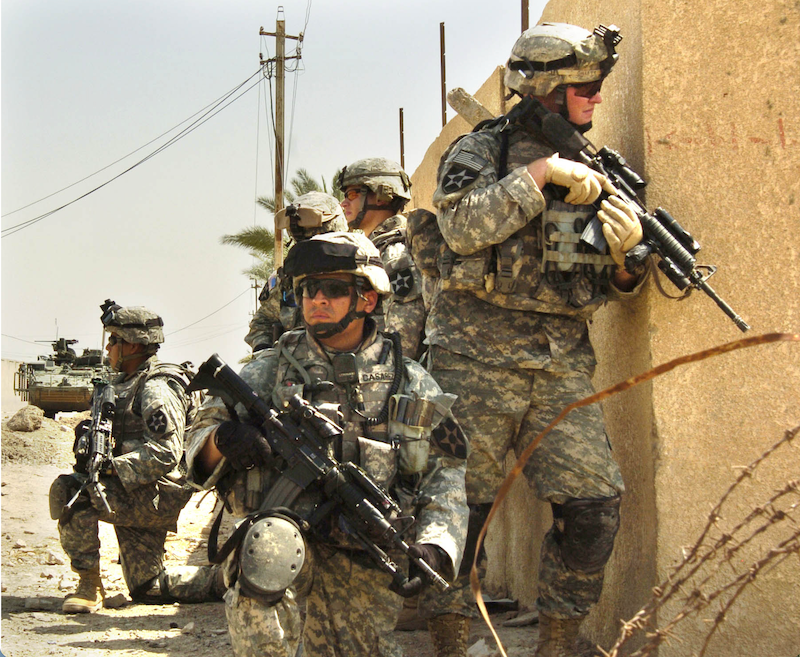
Considerations for Joining the U.S. Military
PROS
1. Financial Stability Early
You get a steady paycheck, housing/food allowance, healthcare, and paid leave. If you’re coming from limited money or uncertainty, this can be life-changing.
2. College Without Crushing Debt
The GI Bill is legit. Many vets walk away with a degree fully paid for, plus housing money while in school.
3. Structure If You Need Direction
If you feel stuck, undisciplined, or unsure what to do next, the military gives you a clear path and expectations.
4. Skills That Transfer
Some jobs translate extremely well (IT, cyber, aviation, medical, mechanics). Even non-technical roles build leadership and stress management.
5. Maturity and Confidence
You grow up fast. You learn accountability, how to handle pressure, and how to work with all kinds of people.
6. Brotherhood & Belonging
The friendships are intense and real. Shared hardship creates bonds most civilian jobs don’t.
7. Veteran Benefits After
VA home loans, hiring preference, healthcare options, and networking through veteran communities are meaningful advantages.
CONS
1. Loss of Freedom
You don’t control where you live, your schedule, or sometimes even your personal appearance. You go where you’re told—period.
2. Risk and Danger
Even non-combat jobs can be dangerous. Combat roles carry obvious physical and mental risks that can follow you for life.
3. Mental Health Strain
Long hours, stress, deployments, toxic leadership, and separation from family can take a serious toll.
4. Not All Jobs Transfer Well
Some roles don’t translate cleanly to civilian careers, which can make the transition harder.
5. You Can’t Just Quit
Once you sign the contract, you’re in. Bad unit? Bad leadership? You still have to push through.
6. Bureaucracy and Frustration
The military can be inefficient, political, and slow. Promotions and assignments aren’t always about merit.
7. Wear and Tear On Your Body
Knees, back, hearing—many vets leave with chronic issues, even after just one enlistment.
8. Relationships Can Suffer
Deployments and long hours strain romantic relationships and friendships back home.
Summary
Good Choice If:
*You want structure, discipline, and direction
*You want college paid for
*You don’t mind sacrificing comfort for opportunity
*You’re okay being uncomfortable and told “no”
*You value teamwork over individual freedom (at least for a few years)
Not So Good If:
*You hate authority and rigid rules
*You need full control over your life
*You struggle badly with stress or confinement
*You’re only joining because you feel pressured
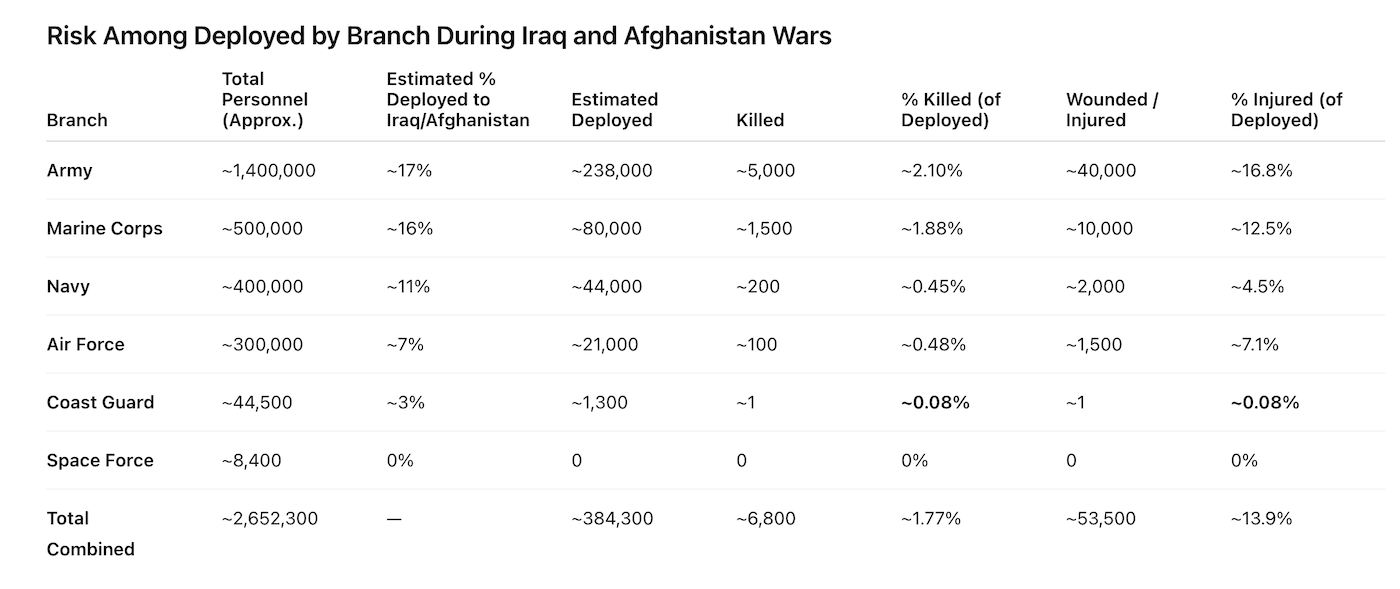
ACTUAL RISKS
Here are the results of extensive research. Accurate data that you are not supposed to see. If you want to fight you know what branch to join. If you want the benefits at the least risk go for the Coast Guard or the newly created Space Force (Become a Citizen, see you on Klendathu!
Are soldiers psychopaths that enlist to kill and enjoy it?
No. Here’s what usually does motivate people to enlist:
*Economic opportunity (steady job, healthcare, education benefits)
*Family tradition or a sense of duty
*Patriotism or wanting to protect others
*Structure, purpose, or direction at a point in life
*Training or skills (engineering, medicine, logistics, aviation—not combat)
A few important points that often get lost:
1. Most soldiers are not combat troops
The military is mostly logistics, maintenance, intelligence, medical, admin, engineering, cyber, etc. Very few roles are about direct fighting.
2. Enjoying killing is not normal—and not encouraged
Military training emphasizes discipline, restraint, and rules of engagement. Soldiers who show signs of enjoying violence or lacking empathy are actually a liability, not an asset.
3. Combat is psychologically costly, not pleasurable
Many veterans struggle with PTSD, moral injury, guilt, grief, and depression—clear signs that killing is not something most people “enjoy,” even when they believe the mission was justified.
4. Psychopathy ≠ aggression
True psychopathy is rare (around 1% of the population) and includes traits like shallow emotions and lack of remorse. Armies screen for mental health issues because people with severe antisocial traits are harder to control and less reliable under stress.
That said—being honest—there is a tiny minority of people in any large institution who are drawn to power, weapons, or aggression. The military isn’t magically immune to that. But they are the exception, not the rule, and systems exist to limit the damage they can do.
Special Bonus
If you like guns and shooting you will have a blast in the military. And get this… they provide the weapons, teach you how to do it right and pay for the ammo! You get expertise and valuable survival skills unmatched as a civilian.